
Beyond These Stars Space Whale: What Kewa Really Is
Kewa is the sentient space whale your city rides in Beyond These Stars. What the whale does in play, how the relationship works, and why it isn't a warship.
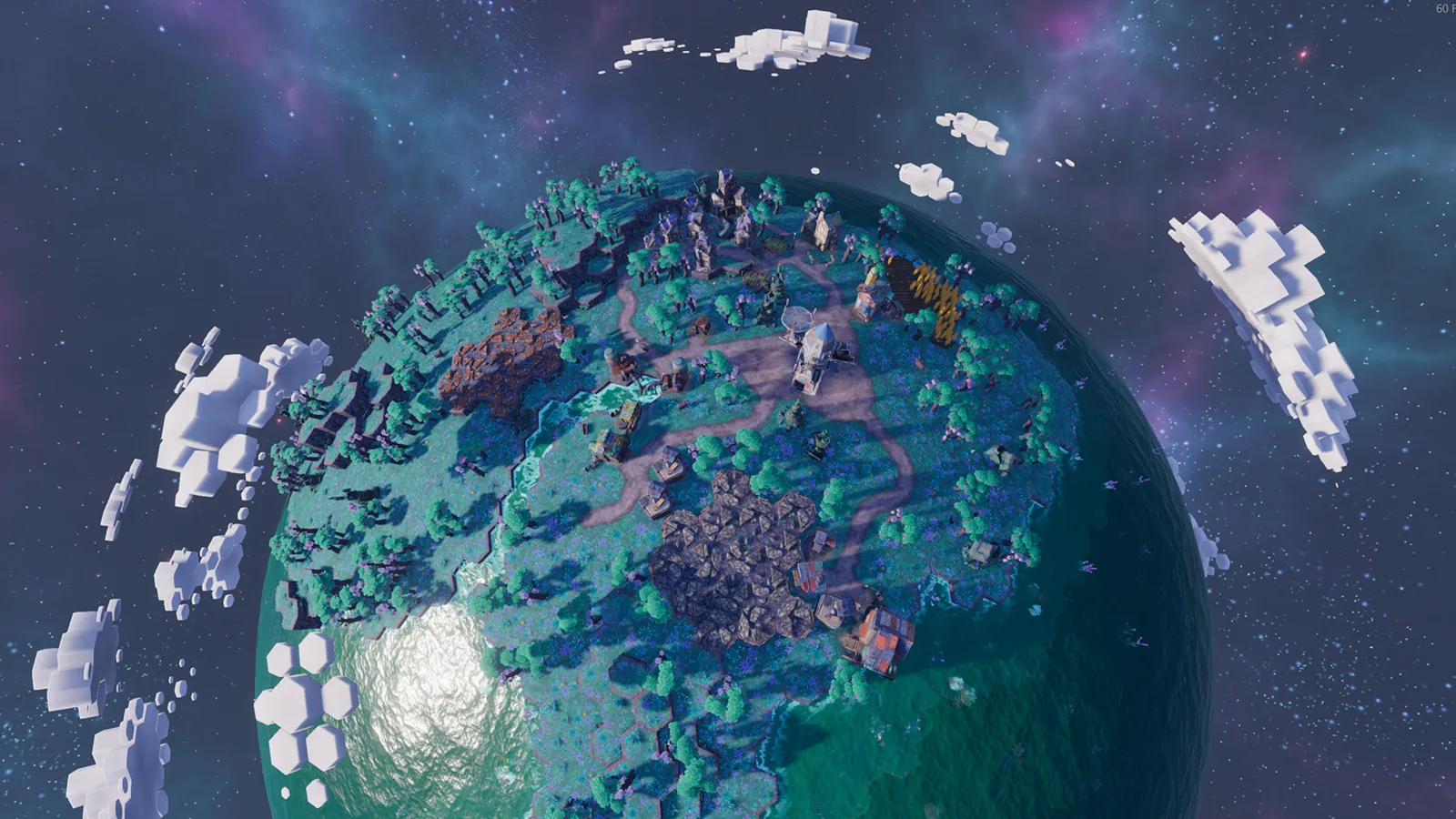
Table of Contents
Short answer: the space whale is your home, not your fleet. In Beyond These Stars you build a settlement on the back of Kewa, a sentient whale travelling between star systems. This is a single-player city builder and colony sim about supply chains, terraforming and coexistence — not a multiplayer space sandbox where whale-borne civilisations fight and destroy each other. The official Steam page does not describe combat between whales or player-versus-player warfare as of 2026-10-17; its description is entirely about building, exploring and keeping Kewa happy.
Kewa, the whale you live on
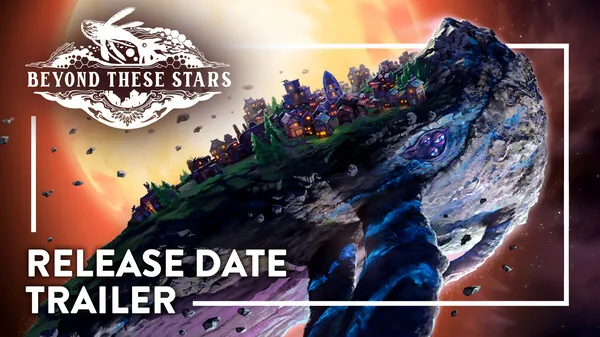
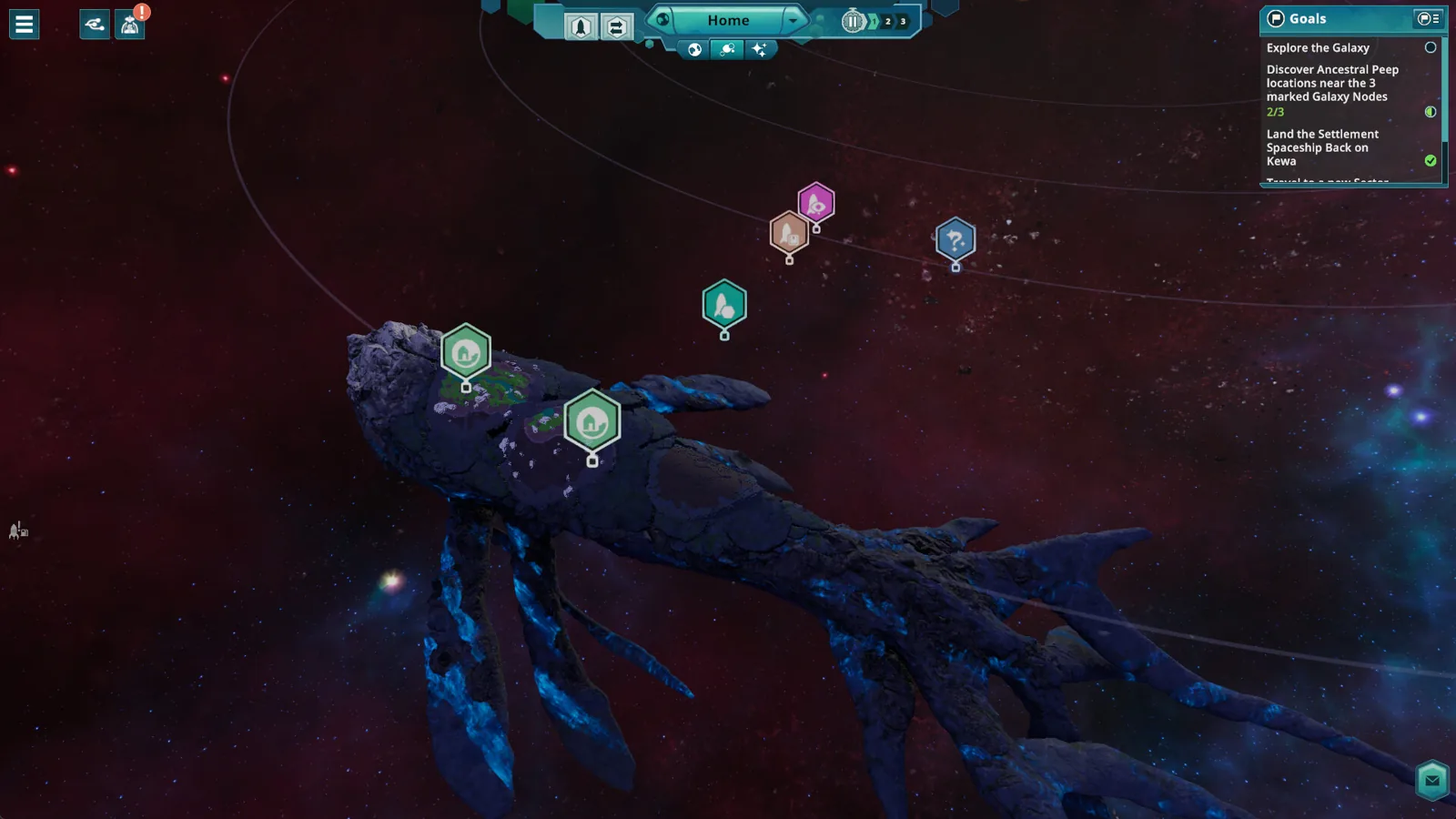
Kewa is presented as a character rather than scenery. The game's own framing is that your Peeps "find themselves on the back of Kewa — a lonely Space Whale journeying across the universe," and that building a city on a sentient creature "comes with its own set of challenges." The Steam page describes Kewa as longing for connection and explicitly "no mere pet," with hopes and dreams for the journey. Understanding its needs and desires is how you build a symbiotic relationship and decide together where the journey goes.
So the whale is closer to a travelling world plus a companion character than to a unit you command. It carries your city, it moves you between systems, and its mood shapes what you can do.
What the whale actually does in play
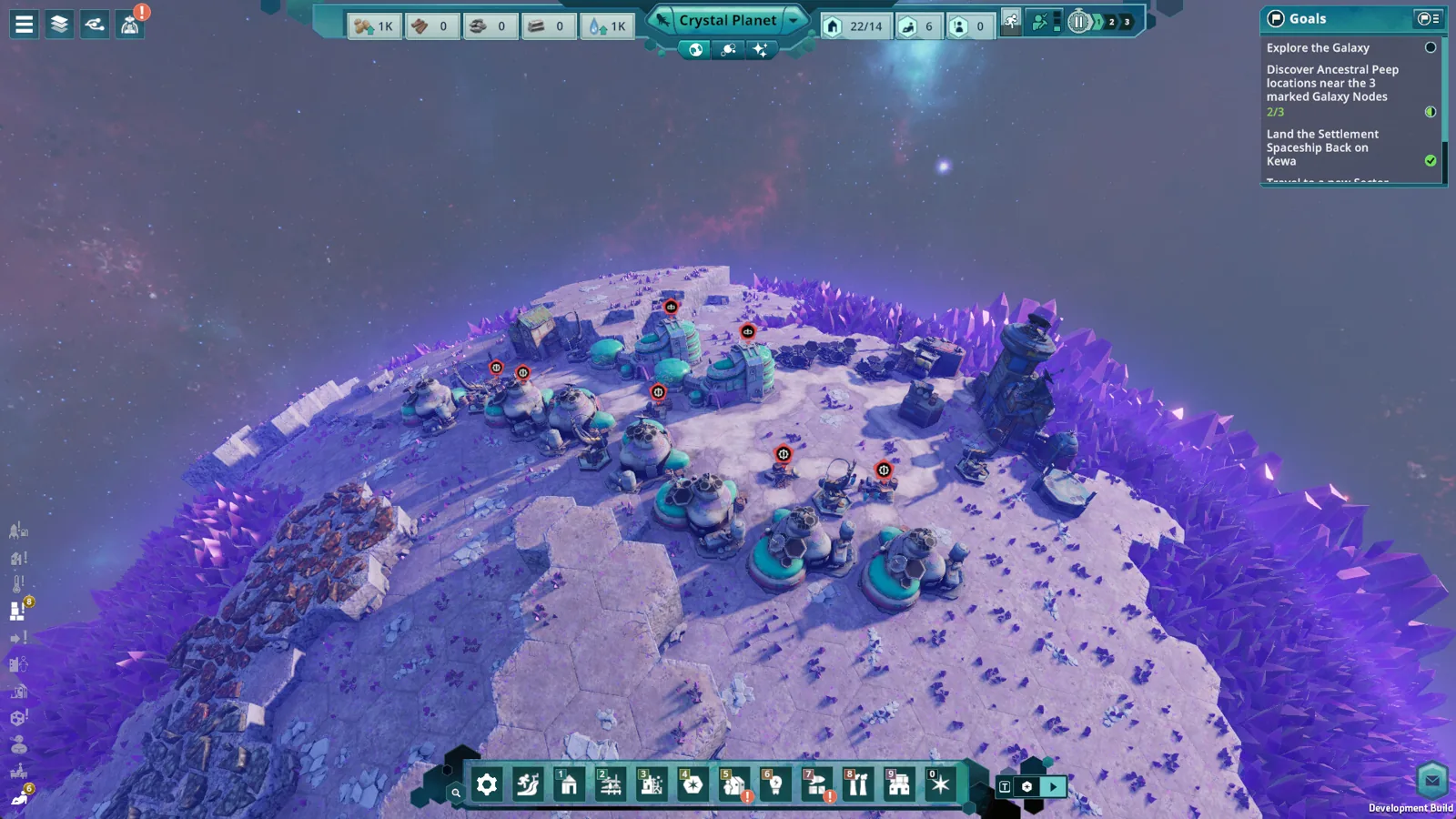
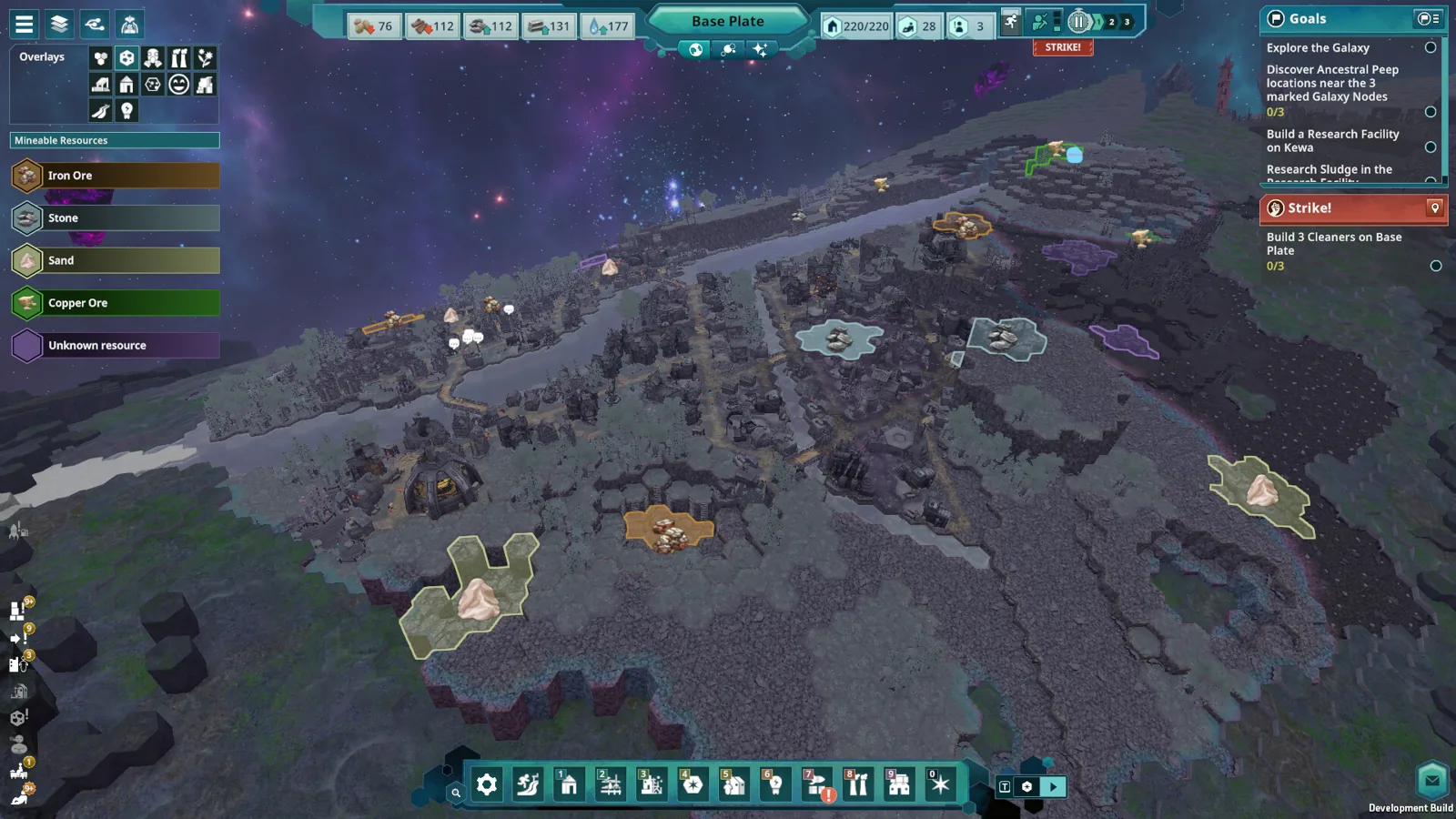
- It is the map. Your buildable land is Kewa's back — largely barren when you arrive apart from a small green patch by the water. You plan around the contours of that land, or reshape it.
- It sets your clock. When you build outposts on nearby planets, the official description warns that unless you build a strong relationship with Kewa, you may find it hard to predict how long you have at an outpost before Kewa decides it is time to leave the system. The whale, not the player, ends your stay.
- Its ecosystem is fragile. Terraforming — canals, top soil, planted forests — is how you expand, but the land on Kewa is delicate and can shrink your habitat if over-exploited. Mining and heavy industry raise the pressure, which is why gathering resources on other worlds is framed as a way to keep Kewa healthy.
- It is the story. The mystery thread running through the campaign is the shared history of the galaxy: your ancestors and the Space Whales alike.
Where the "whale civilisations at war" idea comes from
Players reaching for comparisons have described the game as a blend of colony-sim building with a Star Trek Voyager-style journey and an ecological economy — one launch-window review summed it up as "Timberborn x Star Trek Voyager x Imagine Earth," and another praised it as cozy, relaxing, story-driven exploration and settlement rather than a min-max worker-management game. The same reviewer noted it as a follow-up to Before We Leave with noticeable quality-of-life improvements. Those comparisons point at management and atmosphere, not at fleet warfare.
If what you want is EVE-style player politics and capital ships blowing each other up, this is not that game. The tension in Beyond These Stars is ecological and logistical: keeping production running without poisoning the creature you live on, and keeping a good enough relationship with Kewa that it stays where you need it.
Practical notes before you start
- Solo only. The store page lists single-player as the headline feature set (with achievements, trading cards, cloud saves and family sharing); no multiplayer mode is presented.
- Try before buying. As of 2026-10-17, the Steam page offers a demo download, which is the cheapest way to check whether the pace suits you.
- Comfort options exist. The listed accessibility features include adjustable difficulty, save anytime, adjustable text size and a mouse-only option — useful if you are worried about the management load.
- Handheld is viable. Steam Deck compatibility is marked Playable on the store page.
- Expect patches. The game launched in 1.0 on 16 October 2026 and received a hotfix the following day covering building-move blocking, the power generator range line and Korean localisation, so launch-window impressions may not match the current build.
For the full feature breakdown and the current demo link, see the official Steam page; for patch notes and player discussion, the Steam community hub is the place the developer posts updates.
Related Articles
Continue Reading
Tips: Colony and Kewa Basics
Practical early-game tips for Beyond These Stars: waste control, terraforming, forests, adjacency, Kewa's mood, perks, travel, and outposts.
Beginner Guide: Your First Hours
Practical early-game orientation for Beyond These Stars: tutorial pacing, soot and pollution trouble, Kewa care, and where to find the official starter guide.
Guide: Surviving Your First Colony
A practical Beyond These Stars guide to pollution control, adjacency effects, terraforming, tech unlocks, perks and exploring the galaxy on Kewa.
Walkthrough: Practical Early-Game Route
Beyond These Stars walkthrough: pollution control, terraforming, tech-tree order, exploration and the common early-game sticking points players hit first.
Review: What Early Players Say
A roundup of launch-window Beyond These Stars reviews and player impressions: praise for the space-whale colony sim, plus its learning curve.
strange transmitter: what we know
Community material does not document a strange transmitter in Beyond These Stars; here is what the demo and forums do cover, and where to look instead.