
Beyond These Stars Cleaners: Pollution Control
What cleaners do in Beyond These Stars, why polluted tiles turn toxic, and how they fit with trees, composting and industry placement.
Table of Contents
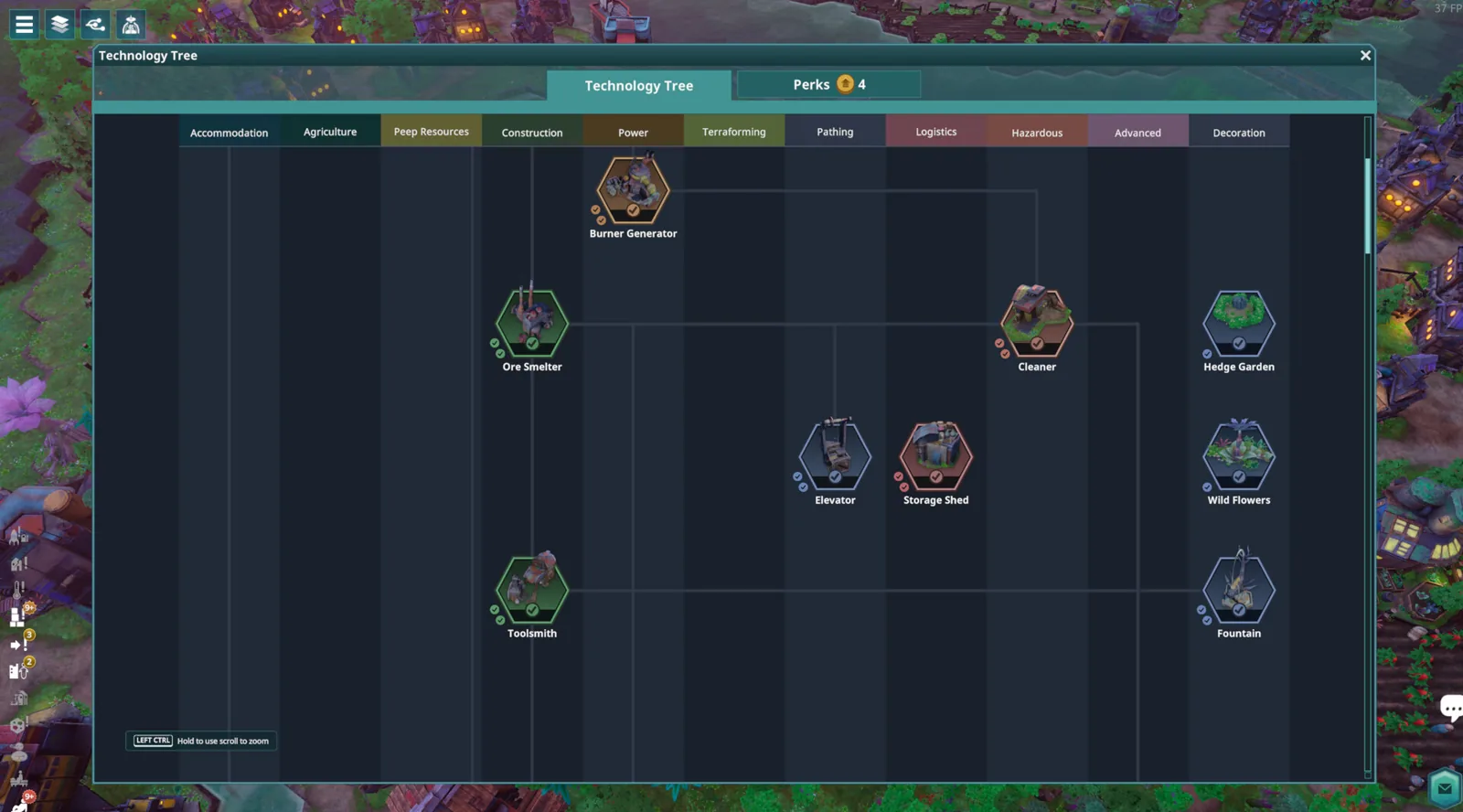
Cleaners are the pollution-control structures you use to keep industrial land from turning toxic. In Beyond These Stars, pollution is a tile-level problem: the LadiesGamers review explains that if pollution is left alone, heavily polluted tiles become toxic and all factories inside that waste stop working. The review names two ways to prevent it — build industries closer to the forest, or use cleaners, described as specialised places that lower pollution.
What cleaners actually do
Their job is straightforward: reduce pollution so the land around your industry stays usable. The review does not give a radius, a pollution-per-second figure, or an unlock requirement, so treat placement as something to judge by watching the affected tiles rather than by a known coverage number. Put cleaners where pollution is concentrated — around mines, smelters and power infrastructure — and check whether the toxic spread stops or reverses.
Pollution pressure grows with industrial scale. A Steam reviewer describes experimenting with mines, metal smelting and electricity, then finding that the settlement had a large toxic area for Peeps to clean up. That is the situation cleaners are for: not a cosmetic issue, but a production shutdown once tiles cross into toxic status.
Cleaners versus trees and composting
Greenery is the other side of the pollution problem. The same review describes terraforming options that include composting tiles to turn them green and planting trees to grow forests; plants create oxygen and forests help expand your air pocket. The review’s siting advice — put industry nearer the forest — fits that approach.
But trees are not a guaranteed replacement for cleaners. On the Steam community hub, one player wrote that they wanted to plant trees and manage pollution that way instead of relying on cleaners, but their landscapers were not performing composting jobs and the composter was very slow. That is a single player’s report, not a universal rule, but it is a useful warning against assuming the composting route will always keep pace with heavy industry.
A practical approach
- Cluster dirty industry first. Group mines, smelters and power buildings so pollution is concentrated in one area rather than spread across the colony.
- Use the forest as a buffer where the map allows it. The review’s alternative to cleaners is placing industry closer to the forest.
- Add cleaners to the clusters you cannot move. Watch the tiles around them for toxic status; once factories are inside toxic waste, they stop functioning.
- Do not rely on compost alone without checking it. If you are trying a tree-and-compost strategy, confirm your landscapers are actually doing the composting jobs and that the composter is keeping up.
- Throttle polluting buildings if cleanup lags. The review notes that buildings can be paused and their priority changed. Those are general production controls, not a cleaner-specific fix, but they can buy time while pollution is brought down.
If a cleaner seems to have no effect, general checks are to make sure it is not paused and that its priority has not left it idle; the review confirms those controls exist for buildings, though it does not document a cleaner-specific troubleshooting sequence.

What is not pinned down
As of 2026-10-17, the LadiesGamers review describes cleaners only in general terms — it does not list cost, range, power use, worker requirements or tech-tree placement. The official Steam store page discusses the ecosystem and the risk of over-exploiting Kewa, but it does not list cleaner details either. The community posts quoted here also do not state a build number. Beyond These Stars launched in 1.0 on 16 October 2026, and Hotfix #1 followed on 17 October 2026 according to the Steam store page, so exact behaviour may shift with patches.
For the wider settlement picture, see city building in Beyond These Stars and the buildings overview.
Related Articles
Continue Reading
Buildings: A Practical Overview
What Beyond These Stars players can expect from buildings at launch: moving them, power and pollution ranges, soot, compost, and outposts.
City Building: A Practical Start
How city building works on Kewa's back in Beyond These Stars, with early layout, power, pollution and supply-chain tips from launch-week reports.

Can’t Place Cleaners? What to Check
No official fix exists for cleaner placement in Beyond These Stars; here are practical checks and player-reported pollution workarounds.
Reddit: Finding the Community
Where Beyond These Stars players gather on Reddit and Steam, what launch-week threads are asking, and practical answers to the common ones.
Review: What Early Players Say
A roundup of launch-window Beyond These Stars reviews and player impressions: praise for the space-whale colony sim, plus its learning curve.
strange transmitter: what we know
Community material does not document a strange transmitter in Beyond These Stars; here is what the demo and forums do cover, and where to look instead.